
Sinus surgery often sounds intimidating at first, yet for many people it becomes a calm turning point toward easier breathing, fewer infections, better sleep, and a noticeable improvement in everyday comfort. Have you ever met someone who says they forgot what clear breathing felt like? That comment often comes from people living with long-term sinus problems. Daily congestion, pressure, and headaches slowly become normalized. When medication stops working, questions about surgery naturally appear. Understanding the basics replaces fear with realistic expectations. This clarity helps people participate more confidently in medical decisions.
Why is sinus surgery considered at all?
Sinus surgery is rarely the first step in treatment discussions. Doctors usually explore medications, sprays, and lifestyle adjustments first. Surgery enters the picture when symptoms continue despite consistent care. Blocked drainage pathways often sit at the center of the problem. Mucus becomes trapped, allowing inflammation and infection to repeat. Facial pressure and fatigue then become constant companions. According to our editor’s research, patients often reach this stage gradually. Surgery aims to restore function rather than aggressively remove tissue. This goal shifts the conversation from fear to practical improvement.
What actually goes wrong inside the sinuses?
Sinuses are air-filled spaces that rely on small openings for drainage. When these openings narrow, normal airflow becomes restricted. Inflammation causes swelling that further blocks these passages. Over time, thickened lining and small growths may develop. Mucus cannot clear properly under these conditions. Bacteria then find an ideal environment to multiply. As a result of our editor’s reviews, many patients misunderstand this process. The issue is often mechanical rather than purely infectious. Surgery addresses this physical blockage directly.
How does modern sinus surgery work?
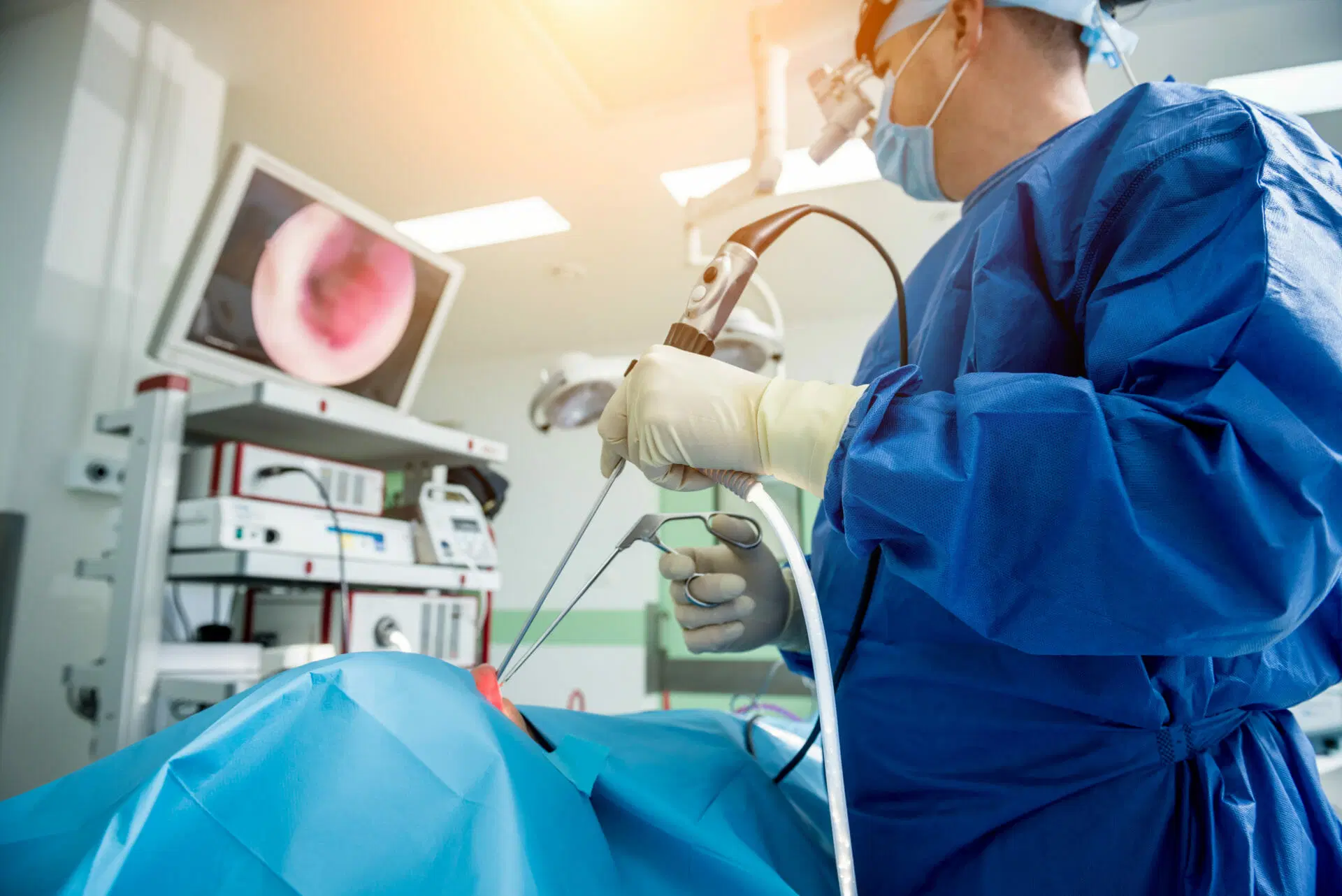
Modern sinus surgery is usually performed using endoscopic techniques. Surgeons work through the nostrils without external cuts. A small camera provides a detailed view of sinus structures. Specialized instruments gently widen natural openings. The focus remains on precision rather than removal. Healthy tissue is preserved whenever possible. According to our editor’s observations, this approach reduces recovery discomfort. Technology allows better outcomes with less trauma. This shift changed how patients experience sinus surgery.
Is sinus surgery painful?
Pain expectations cause significant anxiety before surgery. Most patients report pressure rather than sharp pain afterward. Congestion is usually more noticeable than discomfort. Pain medication needs are often minimal. Nasal rinses play a major role in comfort during recovery. Rest supports the early healing phase. Our editor’s experience shows pain is usually manageable. Fear often comes from outdated surgical stories. Modern methods significantly changed recovery experiences.
Who is usually a suitable candidate?
Candidates often experience symptoms lasting several months or longer. Repeated infections despite proper medication raise concern. Imaging tests confirm blocked or narrowed sinus pathways. Allergies alone may not explain persistent symptoms. Overall health also influences surgical planning. Smoking history is carefully considered. According to our editor’s research, informed patients feel more satisfied. Understanding limitations improves acceptance of outcomes. Suitability depends on individual anatomy and history.
What happens before the procedure?
Preparation starts with careful evaluation and discussion. Doctors review scans and previous treatments thoroughly. Medication adjustments may be recommended beforehand. Patients receive instructions regarding eating and routine medicines. Anesthesia options are explained in detail. According to our editor’s experience, preparation reduces anxiety. Questions are encouraged during preoperative visits. Clear expectations support emotional readiness. Confidence grows through understanding.
How long does sinus surgery usually take?
Procedure length depends on complexity and disease extent. Many surgeries last between one and two hours. Simple cases may take less time. More involved conditions require longer attention. Anesthesia ensures comfort throughout the procedure. According to our editor’s reviews, time feels brief for patients. Most procedures are completed on the same day. Hospital stays are rarely necessary. Duration does not predict success.
What should patients expect during recovery?
Recovery often involves nasal congestion and mild pressure. Temporary drainage is common in early days. Bleeding usually remains minimal and short-lived. Saline rinses help maintain cleanliness. Energy levels may fluctuate briefly. Our editor’s research shows improvement appears gradually. Discomfort decreases steadily over days. Patience supports smoother healing. Recovery rarely follows a dramatic timeline.
How long does full healing take?
Healing occurs in stages rather than instantly. Initial swelling reduces within weeks. Internal tissues continue adjusting for several months. Follow-up visits allow gentle cleaning. Doctors monitor healing progress closely. According to our editor’s observations, timelines vary widely. Consistency with care instructions matters greatly. Improvement continues even after early relief. Long-term results develop gradually.
Are there risks involved?
Every surgical procedure carries some level of risk. Bleeding and infection remain possible but uncommon. Temporary smell changes may occur. Scarring inside the nose is usually minimal. Serious complications are rare with experienced surgeons. As a result of our editor’s reviews, understanding risk reduces fear. Open discussion builds realistic expectations. Monitoring minimizes potential problems. Balance guides responsible decision making.
Can sinus surgery improve daily life?
Many patients report improved breathing and sleep. Fewer infections reduce missed workdays. Headaches often decrease noticeably. Medication dependence may lessen over time. Exercise tolerance may improve with better airflow. Our editor’s observations highlight quality of life benefits. Results vary but trends remain positive. Surgery supports function rather than perfection. Expectations should remain realistic.
Does sinus surgery permanently cure sinus problems?
Sinus surgery does not guarantee permanent immunity. It creates better conditions for ongoing management. Allergies and inflammation may still require treatment. Regular follow-up care remains important. Lifestyle habits influence long-term success. According to our editor’s experience, maintenance plays a key role. Surgery resets anatomy, not immune responses. Balanced care supports lasting benefit. Success depends on continued attention.
Why is follow-up care so important?
Follow-up visits ensure proper healing progression. Doctors remove crusts that may block openings. Medication adjustments support recovery. Questions are addressed during these visits. Skipping follow-ups may delay improvement. Our editor emphasizes follow-up as essential. Healing continues beyond surgery day. Communication supports better outcomes. Commitment improves comfort.
What common myths surround sinus surgery?
Many people believe sinus surgery is extremely painful. Others fear permanent nasal damage. Modern techniques challenge these assumptions. Education corrects outdated perceptions. Fear often comes from older experiences. According to our editor’s research, clarity reduces anxiety. Information empowers better choices. Misunderstandings fade with explanation. Knowledge replaces fear.
When should someone start the conversation?
Persistent symptoms despite treatment raise discussion points. Frequent infections suggest deeper issues. Quality of life decline deserves attention. Imaging helps guide conversations. Early discussion does not mean immediate surgery. Our editor advises open dialogue rather than delay. Awareness supports proactive care. Timing varies individually.